
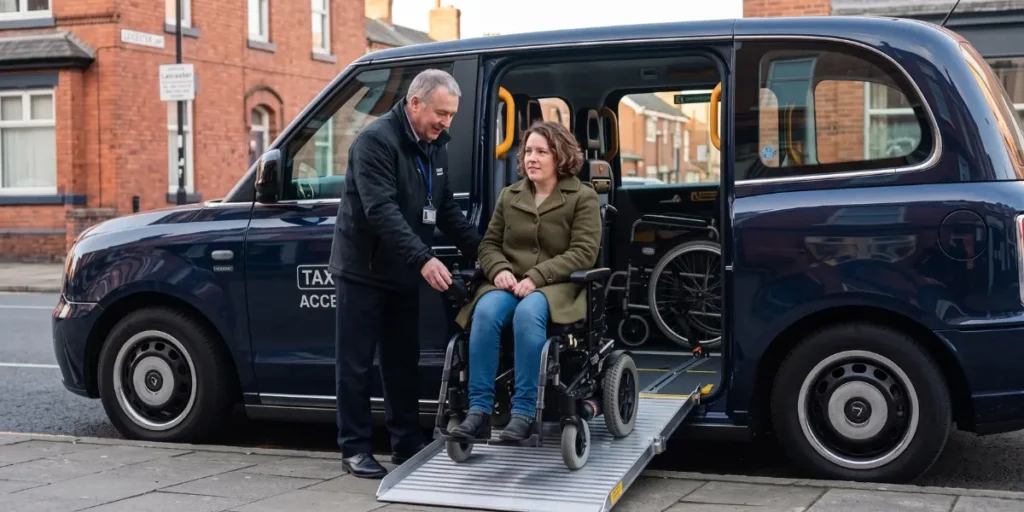
Getting from A to B should never be complicated, yet for wheelchair users, a simple taxi journey can turn into a logistical headache if the vehicle isn’t properly equipped. So, what actually makes a taxi wheelchair accessible? It’s not just about a ramp bolted onto the back. It’s a whole combination of design choices, safety measures, and driver know-how working together to make a journey safe, dignified, and stress-free.
If you’re a passenger planning ahead, a carer arranging transport for a loved one, or simply curious about what separates a genuinely accessible vehicle from a standard car with a workaround, this guide walks through everything worth knowing. Let’s break down exactly what to look for.
Understanding What Makes a Taxi Wheelchair Accessible
Before we get into specific features, it helps to understand the bigger picture. A wheelchair-accessible taxi is generally designed or professionally adapted to accommodate wheelchair users safely, with features that support the passenger from entry to exit.
In the UK, wheelchair accessible taxis operate under clear legal obligations. Under the Equality Act 2010, non-exempt drivers of designated wheelchair-accessible taxis and private hire vehicles must carry wheelchair users in their wheelchairs, provide reasonable mobility assistance, and not charge extra for these duties. These are not simply nice-to-haves. Designated wheelchair-accessible taxis and private hire vehicles have specific legal duties, with licensing administered locally.
Core Wheelchair Accessible Taxi Features to Look For
This is where the practical side comes in. If you’re trying to work out what makes a taxi wheelchair accessible, these are the features that genuinely matter.
Ramps and Lifts
A sturdy, non-slip ramp or powered lift is an important feature of many accessible vehicles. It should suit the wheelchair’s size and weight, provide safe access, and operate reliably so passengers can board without unnecessary difficulty.
Secure Wheelchair Restraints
When you go inside, make sure the wheelchair is fastened properly. Four-point tie-down systems or automated docking stations keep the wheelchair stable during the journey, preventing any unwanted movement when the vehicle brakes, turns, or accelerates.
Interior Space and Seating Configuration
Cramped interiors defeat the purpose entirely. A properly accessible taxi should provide enough headroom and floor space for the passenger to remain seated comfortably in their wheelchair and, where the vehicle’s configuration allows, space for a carer or companion to travel alongside them. Seating should also be arranged so the wheelchair user faces a sensible direction, usually forward or rearward, rather than being awkwardly angled to fit the available space.
Loose bags, spare equipment, or clutter left in the cabin can easily eat into that space, so a tidy, well-organised interior makes a genuine difference on every trip.
Low-Floor Design and Wide Doorways
Many purpose-built accessible taxis, including the classic London black cab style, use a low-floor design paired with a wide side or rear entrance. This reduces the ramp’s steepness and makes manoeuvring in and out far more straightforward.
Handrails and Grab Handles
Small but important, sturdy handrails near the entrance give passengers with partial mobility something reliable to hold onto, reducing the risk of a slip during boarding.
The Accessible Wheelchair Taxi Checklist
When you’re assessing a vehicle or booking a journey, it helps to run through a straightforward checklist:
- A ramp or lift rated for an appropriate weight capacity.
- Restraint systems for the wheelchair and the person in it.
- Adequate headroom and turning space inside the cabin.
- Clear, unobstructed pathways free of loose equipment.
- Accessible seating for a companion or carer.
- A driver trained in disability awareness and safe assistance techniques.
| Feature | Why It Matters |
| Ramp or powered lift | Enables safe, independent boarding. |
| Wheelchair restraints | Keeps the wheelchair stable during travel. |
| Low-floor design | Reduces incline and boarding effort. |
| Interior space | Allows comfortable seated travel. |
| Trained driver | Ensures safe, respectful assistance. |
| Companion seating | Supports passengers travelling with a carer. |
Driver Training and Passenger Assistance
A well-equipped vehicle only tells half the story. The driver’s approach matters just as much as the hardware. A properly trained driver knows how to ask before assisting, rather than assuming what a passenger needs.
They should know how to operate the ramp or lift safely, secure the wheelchair correctly, and communicate clearly throughout the journey. This considerate approach complements the legal duties around mobility assistance and helps make accessible travel safer, more comfortable, and more respectful.
If you’re searching for a dependable wheelchair taxi service in Leicester, choose an operator that combines properly equipped vehicles with drivers who genuinely understand accessible travel. Local Taxis in Leicester is set up to offer exactly that combination for passengers across the city.
Wheelchair Accessible Taxi Requirements Beyond the Vehicle
Accessibility goes beyond what’s fitted inside the car.
Insurance and Licensing
Accessible taxis and private hire vehicles must meet the relevant licensing and insurance requirements that apply in their area. Local licensing authorities also maintain designated lists of wheelchair-accessible vehicles, helping identify which vehicles are subject to specific statutory duties.
Booking and Availability
Clear booking processes matter too. Passengers should be able to specify their accessibility needs in advance, so an appropriately equipped vehicle and driver are ready when needed, without extra hassle or repeated explanations.
Why These Features Matter for Independence
Ultimately, every one of these features exists for one reason: independence. A properly accessible taxi means a wheelchair user can attend appointments, meet friends, or simply run errands without relying on someone else to plan the logistics. That’s not a small thing. It’s the difference between transport being a barrier and transport being a genuine enabler of everyday life.
Think about how much planning goes into a single outing when accessible transport isn’t guaranteed. Will the vehicle actually fit the wheelchair? Will the driver know how to help without making the passenger feel like an inconvenience? When these features and standards are consistently in place, that planning simply falls away, and a taxi becomes what it should always be: a quick, reliable way to get somewhere.
FAQs
1. How does a wheelchair accessible taxi differ from a standard taxi that offers a folding wheelchair option?
A standard taxi may allow a passenger to fold their wheelchair and transfer into a regular seat, but a wheelchair-accessible taxi (WAV) is built or converted so the passenger can travel while remaining seated in their own wheelchair, secured with proper restraints.
2. Do drivers have to help wheelchair users get in and out of the taxi?
Yes, subject to applicable exemptions. Under UK law, non-exempt drivers of designated wheelchair-accessible taxis and private hire vehicles must provide reasonable mobility assistance, including helping passengers board and exit safely, without charging extra for these duties.
3. Can a taxi driver charge more for carrying a wheelchair?
No. Drivers of designated wheelchair accessible vehicles are not permitted to charge disabled passengers extra for carrying a wheelchair or providing reasonable assistance during the journey.
4. What should I check before booking a wheelchair accessible taxi?
It’s worth confirming the vehicle has a suitable ramp or lift, secure restraint systems, enough interior space for your wheelchair type, and that the driver has relevant training in assisting disabled passengers.
5. Are all taxis in the UK required to be wheelchair accessible?
No. Accessibility requirements are set locally by individual licensing authorities, so the proportion of wheelchair accessible vehicles varies between areas rather than being a blanket nationwide requirement.
Final Thoughts
Understanding the wheelchair accessible taxi features that genuinely make a difference helps passengers, carers, and even operators know exactly what to look for. From ramps and restraints to trained, considerate drivers, every element helps make a journey safe and comfortable.
If you’re after a reliable taxi service in Leicester that takes accessibility seriously, Local Taxis in Leicester is a solid choice worth considering for your next journey.