

Walk up to any busy taxi rank or scroll through any pre-booking platform, and you will quickly notice that not all taxis are created equal. The vehicle a passenger steps into shapes their entire experience. For taxi drivers and private hire operators, selecting the right vehicle is one of the most important decisions they will ever make.
So, which car is good for a taxi in the UK? The answer depends on the type of journeys being served, the number of passengers being carried, and the amount of luggage involved. This guide examines the four core vehicle categories that form the backbone of a professional taxi fleet and explains the benefits each one brings to drivers and passengers alike.
Why The Right Taxi Vehicle Matters?
Taxi vehicles operate under far more demanding conditions than the average family car. Many private hire vehicles cover tens of thousands of miles each year. They spend long hours on the road, carry a constant stream of passengers, and need to remain presentable at all times.
The difference between poorly suited vehicles and the best taxi cars in the UK shows up in practical, measurable ways. It includes fuel costs, maintenance frequency, passenger complaints, luggage capacity issues, and the ability to accept different types of bookings.
A Guide to Good Taxi Cars
The core vehicle types in a professional taxi fleet serves a specific purpose and helps operators meet diverse passenger requirements.
1. Saloon Car: The Everyday Workhorse
The saloon remains the foundation of most taxi fleets across the UK. It is practical, efficient, and suitable for the majority of day-to-day bookings.
Passenger and Luggage Capacity
A typical saloon comfortably accommodates up to four passengers. Most models provide space for two large suitcases alongside several smaller bags. This makes the vehicle ideal for individual travellers, couples, business passengers, and small groups with moderate luggage requirements.
Driver Benefits
For drivers, the saloon offers several advantages. Fuel efficiency is often one of the strongest selling points. Modern hybrid and diesel saloons deliver excellent fuel economy, helping reduce operating expenses over long periods. Replacement parts are widely available throughout the UK. Servicing costs remain relatively manageable compared to larger vehicles, while insurance premiums are often lower than those associated with MPVs or minibuses.
When to Choose a Saloon
A saloon is the ideal choice when:
- The group contains one to four passengers
- Luggage requirements are modest
- The journey involves city travel
- Cost efficiency is a priority
For many operators, saloons represent the largest segment of the fleet because they fulfil the majority of everyday transport requirements.
2. Estate Car: The Airport Transfer Specialist
The estate car takes the practicality of the saloon and adds significantly more luggage space. This combination makes it one of the most valuable assets in a professional private hire fleet.
Passenger and Luggage Capacity
An estate car typically accommodates four passengers while providing space for three large suitcases and multiple smaller bags. The increased luggage capacity can make a substantial difference during airport transfers, holiday travel, and long-distance journeys.
Driver Benefits
Estate cars allow drivers to accept bookings that may be unsuitable for a standard saloon. Airport transfers often represent some of the highest-value jobs within private hire operations. By offering greater luggage capacity, estate vehicles open access to these profitable bookings. Drivers also benefit from strong fuel efficiency and familiar maintenance requirements, particularly when using estate versions of popular saloon models.
When to Choose an Estate
An estate is recommended when:
- Up to four passengers are travelling
- Three or more large suitcases are involved
- Airport travel is planned
- Additional storage space is required
For airport-focused operators, the estate often becomes one of the most frequently requested vehicle types.
3. MPV 5 Seater: The Flexible Family Choice
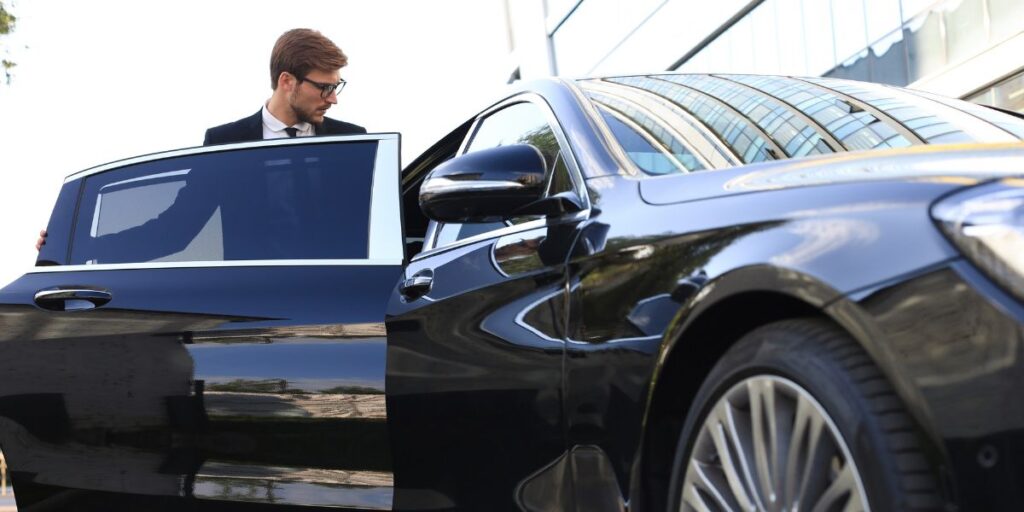
The Multi-Purpose Vehicle fills an important gap between standard cars and larger minibuses. Its combination of passenger capacity and practicality makes it extremely useful for group travel.
Passenger and Luggage Capacity
A five-seat MPV comfortably accommodates five passengers while still offering reasonable luggage space. Most vehicles can carry two large suitcases alongside several smaller bags.
Driver Benefits
A driver operating an MPV gains access to bookings that standard saloons cannot accommodate. Groups frequently prefer travelling together rather than splitting into separate vehicles. This creates opportunities for larger fares while reducing vehicle allocation challenges. MPVs also provide excellent versatility. They can comfortably handle both family bookings and professional business travel.
When to Choose an MPV
Choose an MPV when:
- Five passengers are travelling
- Additional cabin space is required
- Families need extra flexibility
- Group travel is involved
The MPV serves as an effective bridge between smaller private hire vehicles and larger minibuses.
4. Minibus 8 Seater: The Group Travel Leader
When larger groups need transportation, the minibus becomes the obvious solution. It combines substantial passenger capacity with generous luggage space, creating a practical solution for complex bookings.
Passenger and Luggage Capacity
A typical 8-seater minibus comfortably accommodates up to eight passengers while still providing generous luggage space. Most models can carry around six large suitcases alongside several smaller bags, making them well-suited to airport transfers, holiday travel, and group outings. This combination of passenger capacity and storage space makes the minibus one of the most versatile vehicle options available for group transportation.
Driver Benefits
Minibus bookings often command premium rates due to the vehicle size and operational requirements involved. Group bookings can generate higher revenue than multiple individual journeys while reducing dispatch complexity. A well-maintained minibus also helps operators stand out in a competitive market by offering services many smaller fleets cannot provide.
When to Choose a Minibus
A minibus should be selected when:
- Six to eight passengers are travelling
- Luggage requirements are substantial
- Group coordination matters
- Airport transfers involve large parties
For group travel, no other vehicle category provides the same level of efficiency.
Additional Features That Modern Taxi Vehicles Should Offer
Beyond size and capacity, today’s passengers expect additional features that improve comfort and convenience.
Climate Control
Effective heating and air conditioning contribute significantly to passenger comfort throughout the year.
Phone Charging Facilities
Many passengers rely on smartphones for communication, navigation, and travel documentation. USB charging points have become an increasingly desirable feature.
Comfortable Seating
Long journeys become far more pleasant when vehicles offer supportive seating and adequate legroom.
Accessibility Features
Many operators include accessible vehicles within their fleet to accommodate passengers with mobility requirements.
What Every Professional Taxi Vehicle Has in Common
Regardless of vehicle type, professional operators maintain consistent standards across the entire fleet. Vehicles should be clean, reliable, fully licensed, regularly serviced, professionally presented, and safe. Passengers notice these standards immediately, and they build trust and encourage repeat bookings.
A good taxi car in any category is ultimately one that performs reliably, presents professionally, and delivers a comfortable experience for every passenger on every journey. That is the standard a quality private hire operator holds every vehicle in the fleet to, day in and day out.
Local Taxis in Leicester provides reliable, professional transport services for passengers travelling across the city and surrounding areas. Book a reliable taxi in Leicester, UK, and ensure a comfortable journey every time.
Conclusion
The question of which vehicle is best for taxi work does not have a single answer. Different journeys require different solutions. A professional private hire fleet succeeds because it offers variety, flexibility, and the ability to meet a wide range of passenger needs. Saloon cars remain the ideal option for everyday bookings. Estate cars provide valuable luggage capacity for airport transfers. MPVs accommodate families and groups of five comfortably, while minibuses deliver an efficient solution for larger parties travelling together. Local Taxis in Leicester offers dependable airport transfer services designed to make travel planning simple and stress-free. Book a taxi from Leicester to Birmingham Airport with our team to ensure a punctual, comfortable journey to the terminal.